
English| EUR
Suggested for you
More currencies
Choose a language
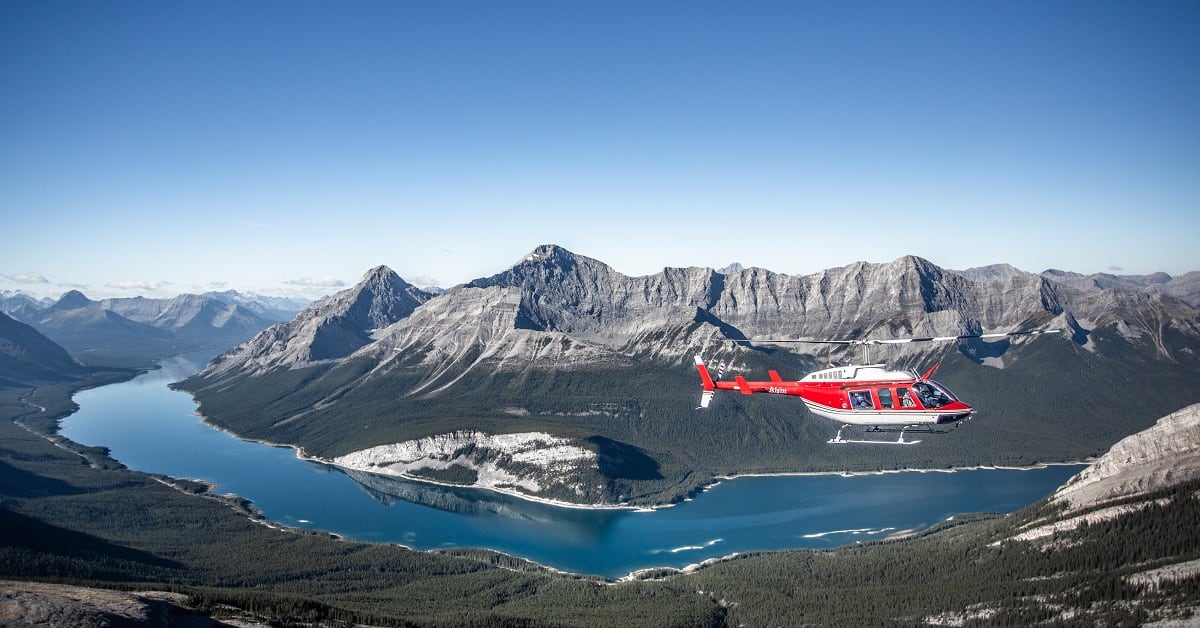
Mountain weather changes fast in the Rockies, and helicopter operations depend on precise visibility and wind thresholds. Pilots monitor ceiling height, ground visibility, and wind speed in real time to determine whether conditions permit safe flight. Understanding what grounds a tour helps you plan around weather volatility.
Quick answer
Helicopter flying conditions in the Canadian Rockies require minimum visibility of 2 statute miles, cloud ceilings above 500 feet, and wind speeds below 30 knots. Operators cancel flights when conditions fall outside these parameters, which happens most often during winter storms, spring chinook events, and afternoon thunderstorm buildups in summer. Morning departures between 09:00 and 11:00 typically encounter the most stable weather windows, with calm winds and clear skies before thermal activity develops.
Transport Canada regulations mandate that helicopter tours operate under Visual Flight Rules, which means pilots must maintain continuous visual reference with the ground and surrounding terrain. In the Rockies, this requirement intersects with topography that generates its own weather systems—valley inversions trap fog at dawn, glacial zones produce localized cloud bands, and ridge lines amplify wind speeds by a factor of two or more. A tour that departs Canmore in clear conditions can encounter zero visibility over the Columbia Icefield twenty minutes later. Wind speed governs most weather-related cancellations. Surface winds above 25 knots create turbulence that makes landing zones unsafe, and the Rockies funnel prevailing westerlies through mountain passes where gusts regularly exceed operational limits. Chinook winds—warm downslope flows unique to Alberta's eastern slopes—can raise temperatures by 20 degrees in an hour while generating sustained winds of 40 knots or more. Operators ground all flights during chinook events. Winter adds a second layer of complexity: blowing snow reduces visibility to zero even on cloudless days, and rotor wash from helicopter blades creates whiteout conditions during takeoff and landing. Pilots assess weather at multiple decision points. The first check happens during pre-flight briefing, when meteorological aerodrome reports and pilot weather reports from recent flights determine whether departure is feasible. En route, pilots monitor cloud build-up along ridgelines and communicate with other operators about conditions at remote landing sites. If weather deteriorates mid-flight, the helicopter returns to base rather than continuing into marginal visibility. This conservative approach means tours sometimes turn back after departure, but it reflects the narrow margin for error in alpine flying where forced landings offer few safe options. Seasonality patterns the weather risk. Summer offers the highest probability of flyable conditions, though afternoon convective storms develop rapidly between June and August. Autumn delivers stable high-pressure systems with excellent visibility but shorter daylight windows. Spring weather swings between bluebird days and multi-day storm cycles as the jet stream migrates north. Winter flight windows are brief and weather-dependent, with most operators reducing schedules or suspending tours entirely between December and March when persistent cloud cover and high winds dominate the forecast.
“Transport Canada regulations mandate that helicopter tours operate under Visual Flight Rules, which means pilots must maintain continuous visual reference with the ground and surrounding terrain.”
The best arrival window is 09:00–11:00, as morning flights often offer the clearest skies and calmest wind conditions.
Warm, stable, frequent afternoon convection
Peak operational activity and longer daylight hours facilitate more flight opportunities.
Variable, crisp air, potential snow
Clear visibility is common, though mountain weather shifts rapidly.
Cold, frequent inversions, -10°C to -20°C
Cold air often results in high visibility, though low cloud ceilings can delay flights.
—
Booking early in the day reduces the risk of afternoon wind turbulence.
Verdict: For the highest probability of stable flight conditions, prioritize a weekday morning arrival during the shoulder seasons of May, June, September, or October.
Helicopter flight operations are available throughout the week to accommodate your scheduling needs in the Canadian Rockies. Please refer to the daily hours of operation below to plan your arrival.
High-altitude mountain flights require specific preparation to ensure safety and comfort during your experience.
There is no public admission fee to access these helicopter tour services. Costs are determined exclusively by the specific flight path, duration, and private charter requirements chosen by the passenger.
Verdict: Guests pay zero entrance fees, with total costs being solely dependent on the duration and itinerary of the private flight selected.
Heliports in the Canadian Rockies are located at various sites near Canmore and along the Icefields Parkway. Personal or rented vehicles are the primary method for reaching these remote departure points.
Trans-Canada Highway (Hwy 1) to Canmore
Icefields Parkway (Hwy 93) north from Lake Louise
Regional highway access to Canmore heliport
Plan your travel to arrive between 09:00–11:00, as morning flights often offer the clearest skies and calmest wind conditions.
Everything you need to know about helicopter flying conditions
Helicopter flying conditions depend heavily on visibility, wind speeds, and cloud ceilings within the mountainous terrain. Pilots prioritize passenger safety by monitoring atmospheric stability and precipitation levels throughout the day.
Our best arrival window is 09:00–11:00, as morning flights often offer the clearest skies and calmest wind conditions. Flying earlier in the day typically provides the most stable aerial environment before afternoon thermals develop.
The rugged topography of the Canadian Rockies creates complex air currents and rapid weather shifts that impact mountain aviation. Flight operations require specific visual flight rules to ensure safe navigation through high-altitude passes and around peaks.
Safety regulations apply to all passengers regardless of the specific air travel environment on the day of the tour. We recommend checking with your operator regarding specific requirements for younger guests before arriving at the heliport.
If the pilot determines that current safety standards are not met, flights may be delayed or rescheduled. The safety of every guest remains the primary concern when assessing whether to proceed with a departure.
You can contact us at 1-888-844-3514 or visit our official site at https://www.rockiesheli.com for updates. Our team will provide the most current information regarding your scheduled flight and any potential adjustments to the itinerary.
Helicopter Tours in Canmore
Read more Tickets & toursHeli Tours Canmore
Read more GuideHelicopter Tours Canmore AB
Read more GuideHelicopter Ride in Canmore Alberta
Read more GuideDoes Insurance Cover Helicopter Rides?
Read more GuideHelicopter Ride Prices in Canmore
Read more GuideHelicopter Tours from Canmore
Read more